
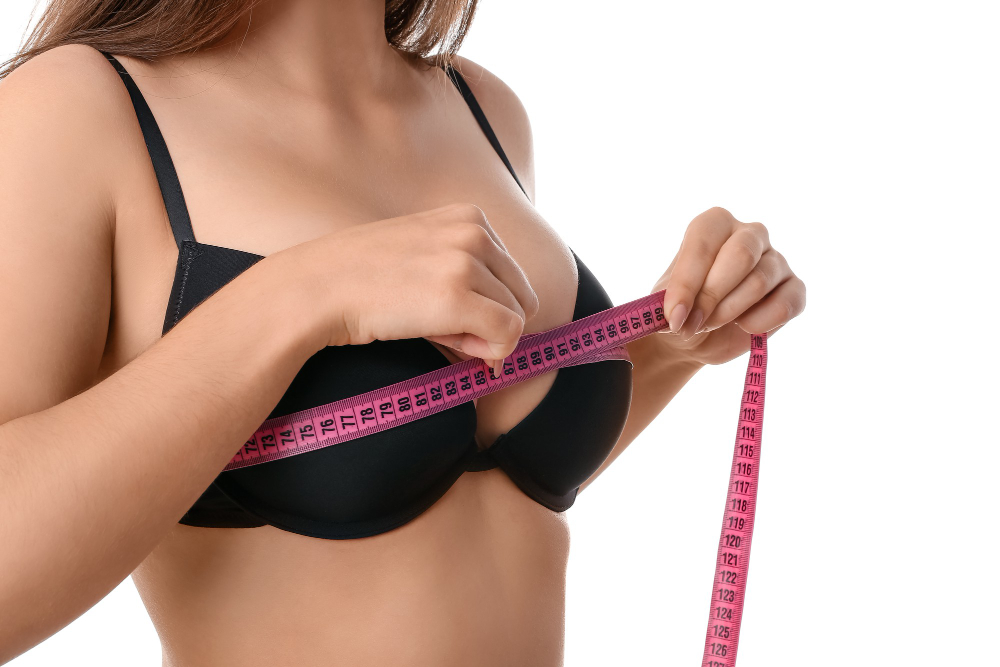
Introduction
Breast augmentation is a surgery that increases breast size or changes their shape. Many people choose this procedure to boost confidence or restore breast volume. Often, breast augmentation uses implants or fat transfer. Because it is a personal choice, it is important to know the facts. This blog will explain the breast augmentation procedure, risks, and recovery tips. We will also answer common questions and share advice for healthy results.
Reasons People Choose Breast Augmentation
People have different reasons for wanting breast augmentation. For example, some want to improve their body shape. Others may want to restore breast volume lost after weight loss or pregnancy. Sometimes, breast augmentation helps balance uneven breasts. In other cases, it is part of breast reconstruction after surgery for cancer or injury. No matter the reason, it is important to have clear goals and realistic expectations.
Types of Breast Augmentation Procedures
There are two main types of breast augmentation procedures. Each has its own benefits and risks. It is important to discuss options with a board-certified specialist.
Both options can give natural-looking results. However, each comes with unique risks and recovery needs.
How to Prepare for Breast Augmentation
Before the breast augmentation procedure, your doctor will review your health history. You may need a physical exam and lab tests. It is important to stop smoking and avoid certain medicines that increase bleeding. Your doctor will give you detailed instructions. For example, you may need to arrange for someone to drive you home after surgery. Planning ahead helps ensure a smooth recovery.
What to Expect During the Procedure
On the day of surgery, you will receive anesthesia to keep you comfortable. The breast augmentation procedure usually takes one to two hours. Your surgeon will make small cuts, place the implants or fat, and close the incisions. Most people go home the same day. However, you will need someone to stay with you for the first 24 hours.
Recovery Process and Aftercare Tips
Recovery after breast augmentation varies for each person. Usually, you can return to light activities within a few days. However, you should avoid heavy lifting for several weeks. Swelling and soreness are common but should improve over time. To help your recovery, follow your doctor’s advice closely. Here are some breast augmentation recovery tips:
Most people see final results after a few months, once swelling goes down.
Potential Risks and Complications
Like any surgery, breast augmentation has risks. It is important to know these before making a decision. According to the U.S. Food and Drug Administration (FDA), common risks of breast augmentation include:
Although most people do not have serious problems, it is wise to discuss all risks with your doctor. Breast implant safety is always improving, but regular check-ups are important.
Frequently Asked Questions
Prevention and Lifestyle Guidance
To maintain your results, healthy habits are important. For example, avoid smoking and eat a balanced diet. Regular exercise can help you stay fit. Also, attend all follow-up visits and get routine breast exams. If you notice any changes, contact your doctor. With good care, you can enjoy your results for many years.
Conclusion
Breast augmentation can help many people feel more confident. However, it is important to understand the procedure, risks, and recovery. Always consult a board-certified specialist at Sri Atharv Skin Clinic for personalized advice about breast augmentation. Your safety and satisfaction should come first.