Warts can be stubborn and bothersome. Many people look for safe wart treatment options. Electrolysis wart removal is one method used by professionals. This technique uses a small electric current to destroy wart tissue. It is one of several wart removal methods available today. In this blog, you will learn how electrolysis works for warts, its benefits, and what to expect during the procedure. You will also find helpful aftercare tips and answers to common questions. If you are considering professional wart removal, this guide is for you.
What Is Electrolysis Wart Removal?
Electrolysis wart removal is a medical procedure. It uses a fine needle and a mild electric current to target the wart. The current heats and destroys the wart tissue. This method is often performed by a dermatologist or trained professional. Unlike some home remedies, electrolysis is a safe wart treatment when done by experts. It is one of several dermatology wart treatments recommended for stubborn warts.
How Does Electrolysis Remove Warts?
During electrolysis, a thin needle is inserted into the wart. Next, a gentle electric current passes through the needle. This current heats the wart tissue, causing it to break down. Over time, the body removes the destroyed tissue. The process is precise, so it targets only the wart. As a result, healthy skin is less likely to be harmed. Many people choose this method because it is effective for small or hard-to-treat warts.
Benefits and Risks of Electrolysis Wart Removal
Like all treatments, electrolysis has both benefits and risks. It is important to know both before deciding.
According to the CDC and dermatology journals, electrolysis is generally safe when performed by a professional.
What to Expect During the Procedure
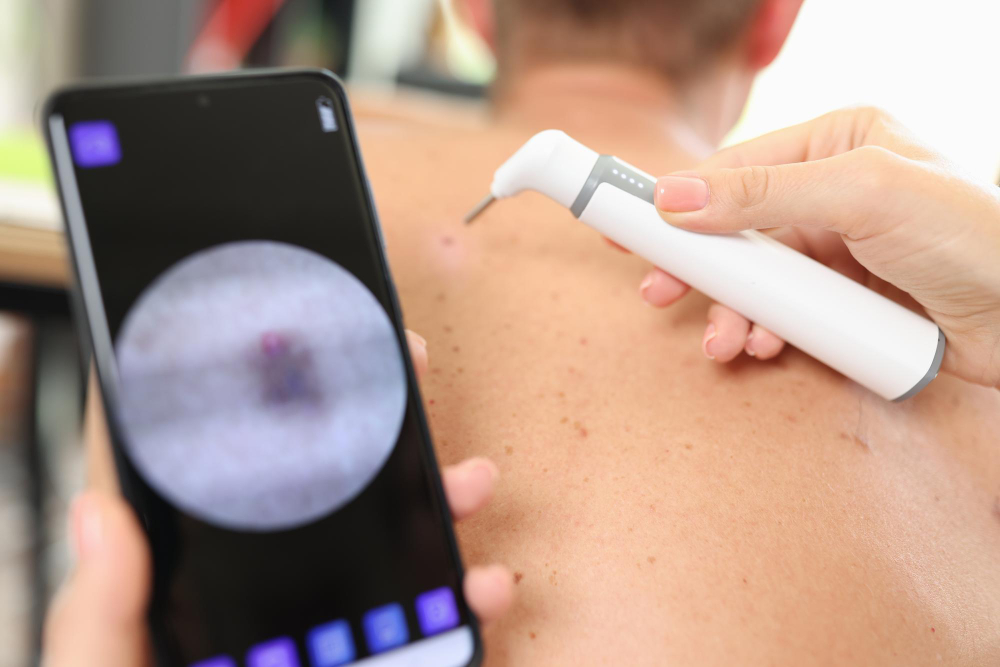
Before the procedure, your dermatologist will clean the area. Sometimes, a numbing cream is applied to reduce discomfort. Then, the professional inserts a fine needle into the wart. A mild electric current is delivered for a few seconds. You may feel a slight sting or warmth. The whole process usually takes less than 30 minutes. Afterward, the area may look red or swollen. However, these effects often fade within a few days.
Aftercare and Recovery Tips
Proper aftercare helps your skin heal well. Here are some simple tips:
If you notice any unusual symptoms, contact your dermatologist right away. Good aftercare lowers the risk of problems and helps your skin recover faster.
Who Should Consider Electrolysis for Wart Removal?
Not everyone needs electrolysis for wart removal. However, it may be a good choice if:
Still, some people should avoid this method. For example, those with certain skin conditions or allergies may need other treatments. Always talk to a dermatologist before choosing a wart removal method.
Frequently Asked Questions
Consult a dermatologist at Sri Atharv Skin Clinic for personalized advice on wart removal options.