What Is Active Acne?
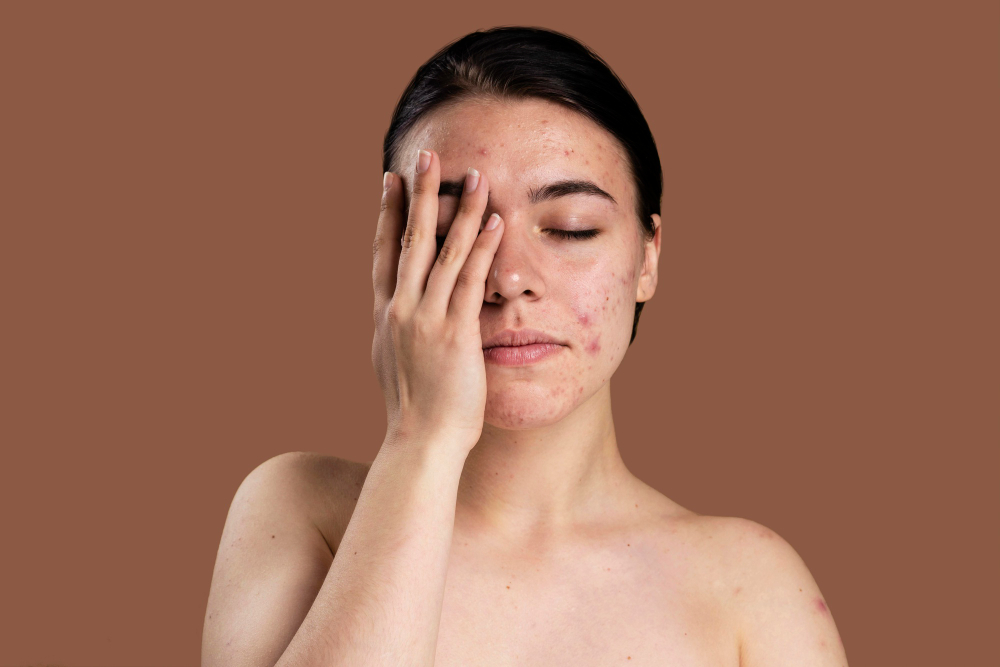
Active acne is a common skin problem. It happens when pores get clogged with oil, dead skin, and bacteria. Because of this, red bumps, whiteheads, blackheads, or even painful cysts can appear. Many people look for active acne treatment to clear their skin. While acne is most common in teens, adults can get it too. Early care helps prevent scars and discomfort.
Common Symptoms of Active Acne
Active acne shows up in different ways. For example, you may notice:
Sometimes, acne can itch or feel sore. However, most people notice the spots first.
Causes and Risk Factors
There are many reasons why acne develops. For instance, your skin makes oil to protect itself. But too much oil can block pores. Also, dead skin cells and bacteria can build up. As a result, pimples form. Here are some common risk factors:
Even though anyone can get acne, some people are more likely to have it.
Diagnosis of Active Acne
Usually, doctors diagnose acne by looking at your skin. They check the type and number of spots. Sometimes, they ask about your health, diet, and skincare routine. In rare cases, blood tests may be needed. However, most people do not need special tests. Early diagnosis helps you get the best active acne treatment.
Effective Treatment Options
There are many ways to treat active acne. Some treatments work better for mild cases, while others help with severe acne. Here are some of the best remedies for active acne:
Because everyone’s skin is different, it is important to follow your doctor’s advice. Also, do not pick or squeeze pimples, as this can cause scars.
Lifestyle and Skincare Tips
Simple changes can help manage acne. For example, try these dermatologist tips for acne:
Additionally, always remove makeup before bed. These steps can support your active acne treatment plan.
Prevention Strategies
While you cannot always prevent acne, some habits lower your risk. For instance:
Because prevention is easier than treatment, start these habits early.
When to See a Dermatologist
Sometimes, home remedies are not enough. If your acne is painful, leaves scars, or doesn’t improve after a few weeks, it’s time to consult a dermatologist. If you feel self-conscious or embarrassed about your skin, a doctor can provide the support and treatment you need. Dermatologists offer advanced acne treatments and can suggest the best plan tailored to your skin’s needs.
For clear, healthy skin, consult a dermatologist at Sri Atharv Skin Clinic for personalized acne treatment advice.