What is a Chemical Peel?
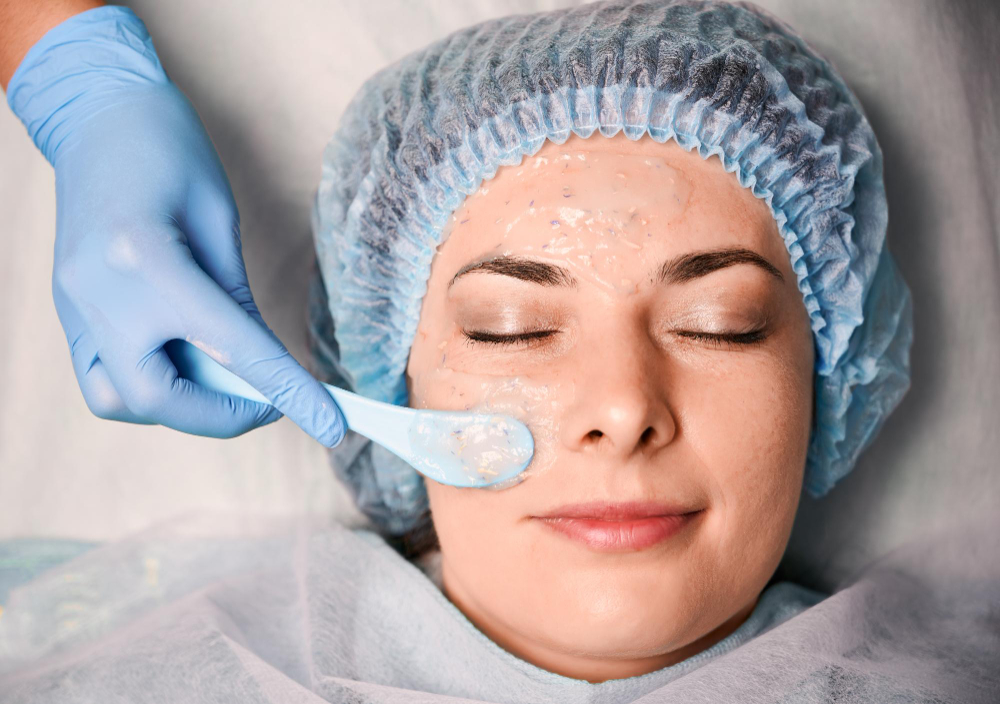
A chemical peel is a skin treatment that uses a special solution to remove the top layers of skin. This process helps reveal smoother, fresher skin underneath. Many people choose a chemical peel for skin rejuvenation. Often, this treatment can improve the look of scars, wrinkles, and uneven skin tone. Because it is a popular choice, you may find chemical peel services in many clinics and dermatology offices.
Benefits of Chemical Peels
Chemical peels offer several benefits for your skin. For example, they can:
Additionally, many people notice their skin looks younger and healthier after a chemical peel. However, results may vary based on your skin type and the type of peel used.
Types of Chemical Peels
There are three main types of chemical peels. Each type works at a different depth:
Because each type has different effects, your dermatologist will help you choose the best option for your needs.
How the Procedure Works
First, your skin is cleaned to remove oils and dirt. Next, the doctor applies the chemical solution to your skin. You may feel a mild stinging or burning for a few minutes. After a set time, the solution is removed or neutralized. For deeper peels, you may need pain relief or sedation. The whole chemical peel procedure usually takes less than an hour. However, deeper peels may take longer and require more care.
Who is a Good Candidate?
Not everyone is a good candidate for a chemical peel. Usually, you may be a good fit if you:
Still, it is important to talk to a certified dermatologist. They can check your skin and discuss your goals before you decide.
Potential Risks and Side Effects
Like any medical treatment, chemical peels have some risks. Common side effects include:
However, most side effects are mild and go away in a few days. Deeper peels have a higher risk of side effects. Always follow your doctor’s advice to lower your risk. The CDC and dermatology experts recommend choosing a trained professional for your chemical peel procedure.
Aftercare and Recovery Tips
Proper chemical peel aftercare helps your skin heal well. Here are some tips:
Because aftercare is so important, always ask your dermatologist for a detailed plan. This can help you avoid problems and get the best results.
Prevention of Complications
To prevent complications after a chemical peel, follow these steps:
Because prevention is key, careful planning and good aftercare can help you avoid most risks. The World Health Organization and skin experts stress the importance of safety and proper technique.
Conclusion
Chemical peels can rejuvenate your skin, giving you a fresh, glowing appearance and boosting your confidence. However, it’s important to understand the benefits, risks, and proper aftercare to achieve the best results.
Consult a certified dermatologist at Sri Atharv Skin Clinic for personalized advice on whether a chemical peel is right for you.
Enhance your skin’s radiance—schedule your consultation today.