Introduction to Laser Hair Removal
Laser hair removal is a popular way to reduce unwanted hair. Many people choose it because it offers long-lasting results. Unlike shaving or waxing, laser hair removal targets hair at the root. As a result, you may see smoother skin for a longer time. People often pick this method for areas like the face, legs, arms, and underarms. It is also used on the back and bikini line. While it is not always permanent, it can make hair grow back slower and finer.
How Laser Hair Removal Works
So, how does laser hair removal work? The process uses a special light called a laser. This light targets the pigment, or color, in your hair. When the laser hits the hair, it turns into heat. This heat damages the hair follicle, which is the part of the skin that grows hair. Because of this, the hair falls out and takes longer to grow back. The laser is set to target hair without harming the skin around it. According to the American Academy of Dermatology, several sessions are needed for best results. This is because hair grows in cycles, and the laser works best on hairs in the growth phase.
What to Expect During a Session
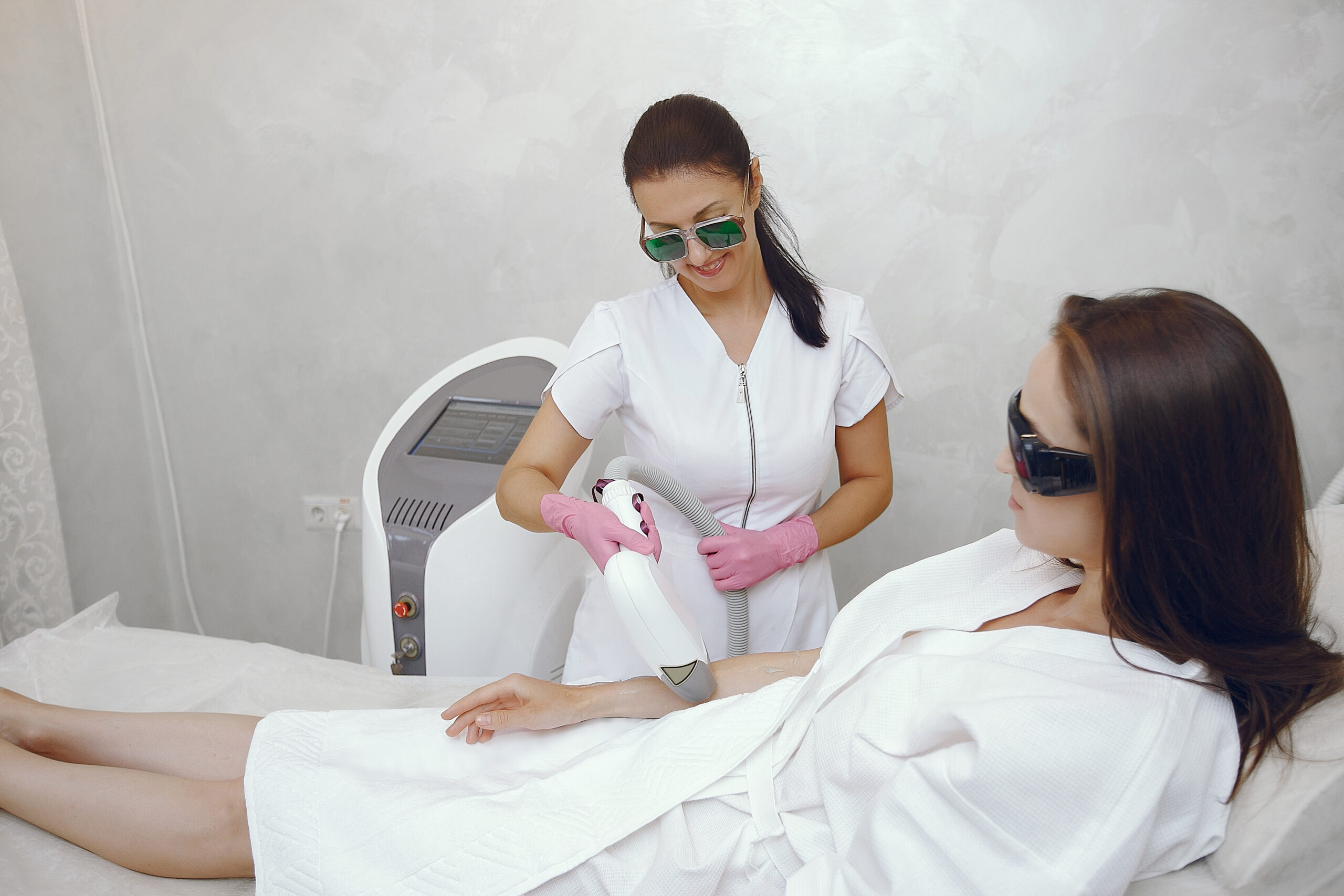
Before your first session, you will meet with a trained provider. They will check your skin and hair type. Next, you may be asked to shave the area a day or two before treatment. During the session, you will wear special goggles to protect your eyes. The provider will use a handheld laser device on your skin. You may feel a quick snap or mild heat, but most people find it easy to handle. Sessions can last from a few minutes to an hour, depending on the area. Afterward, you can go back to your normal activities right away.
Benefits and Limitations
Laser hair removal offers many benefits, but it also has some limits. Here are some key points:
While many enjoy smooth skin, results can vary. Some people may need touch-up sessions over time.
Safety, Side Effects, and Aftercare
Laser hair removal is safe when done by a trained professional. Still, some side effects can happen. Common ones include redness, swelling, or mild discomfort. These usually go away within a day or two. Rarely, you might see blisters or changes in skin color. To stay safe, always follow aftercare tips:
If you notice any lasting problems, contact your provider right away. The World Health Organization and dermatology experts recommend choosing only certified clinics for this procedure.
Who Is a Good Candidate?
Laser hair removal works best for people with light skin and dark hair. However, new lasers can treat a wider range of skin tones. You may be a good candidate if:
Always talk to a dermatologist to see if this treatment is safe for you.
Frequently Asked Questions
1. Does laser hair removal hurt?
Most people feel a mild snap or warmth during treatment. However, the discomfort is usually brief and easy to manage.
2. How many sessions will I need?
Usually, you will need 4 to 6 sessions for best results. The number can vary based on your hair and skin type.
3. Is laser hair removal permanent?
Laser hair removal offers long-lasting results, but it is not always permanent. Some hair may grow back, but it is often finer and lighter.
4. Can I do laser hair removal at home?
There are home devices, but experts recommend seeing a certified provider. Professional treatments are safer and more effective.
Conclusion
Laser hair removal is a safe and effective way to reduce unwanted hair. It offers smooth skin and long-lasting results for many people. However, it is important to know the benefits, risks, and who is a good candidate. Consult a certified dermatologist Dr. Pooja tatapudi to learn if laser hair removal is right for you.