Introduction
Microneedling for skin texture improvement is a popular treatment today. Many people want smoother, healthier skin. This safe microneedling procedure uses tiny needles to help your skin heal and renew itself. As a result, you may notice fewer scars, smaller pores, and a more even skin tone. In this blog, you will learn about microneedling benefits for skin texture, how microneedling works, and what to expect before and after the treatment.
What Is Microneedling?
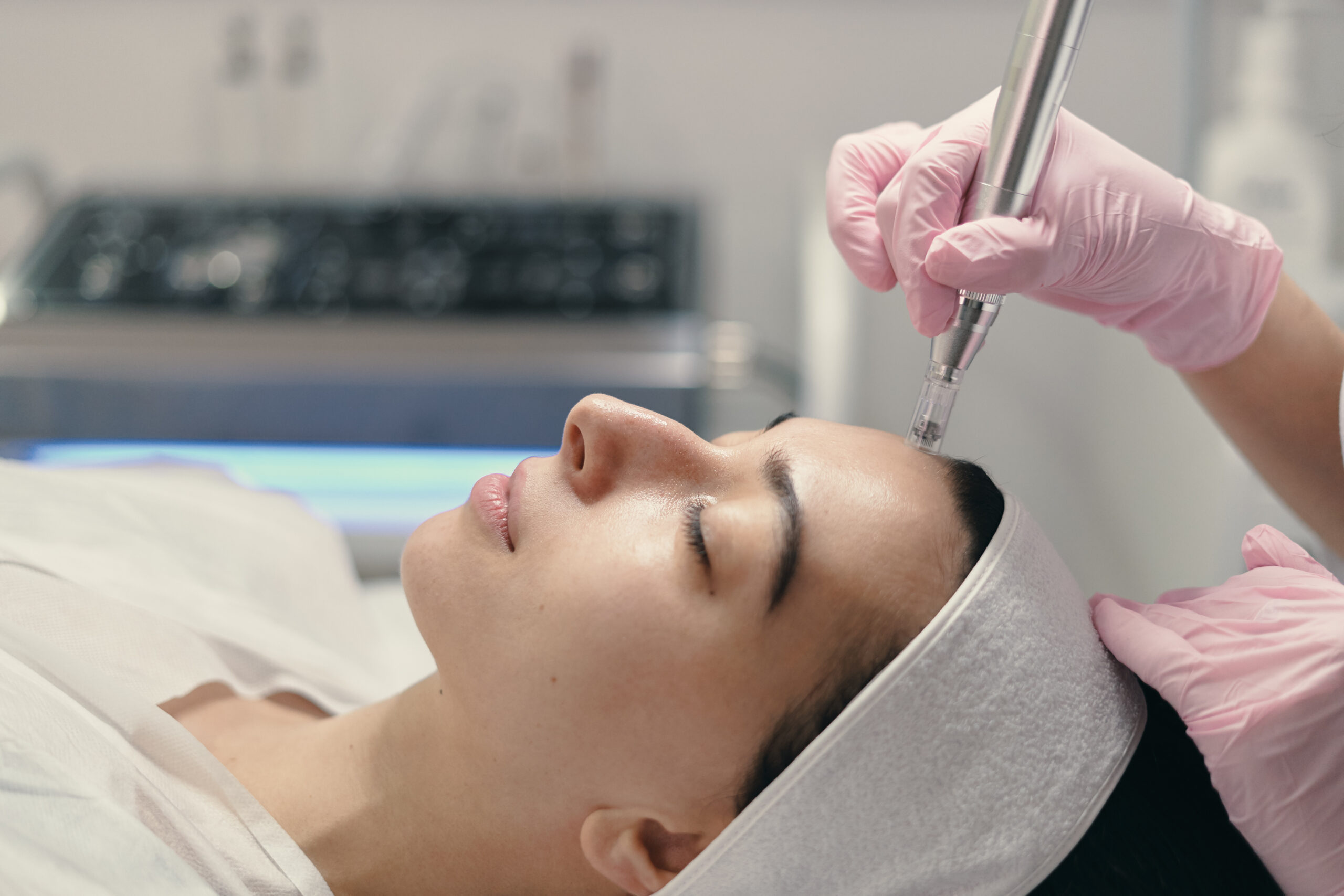
Microneedling is a skin treatment done by trained professionals. During the process, a device with fine needles creates small holes in the top layer of your skin. These tiny injuries help your skin start its natural healing process. Because of this, your body makes more collagen and elastin, which are proteins that keep your skin firm and smooth. Many people choose microneedling to improve skin texture, reduce scars, and even out skin color.
How Microneedling Improves Skin Texture
First, microneedling triggers your skin’s repair system. When the needles make small holes, your body sends more blood and nutrients to the area. As a result, your skin produces more collagen and elastin. These proteins help fill in rough spots, scars, and fine lines. Over time, your skin feels softer and looks more even. In addition, microneedling can help reduce large pores and smooth out acne scars.
Benefits of Microneedling for Skin Texture
Microneedling offers many benefits for skin texture. Some of the main advantages include:
Additionally, microneedling is safe for most skin types. It is less invasive than other treatments, such as lasers or deep peels. According to dermatology studies, many people see results after just a few sessions.
The Microneedling Procedure: What to Expect
Before your session, your provider will clean your skin and may apply a numbing cream. This helps reduce any discomfort. Next, the microneedling device is moved gently across your skin. The session usually takes 30 to 60 minutes. Afterward, your skin may look red, like a mild sunburn. However, this usually fades within a day or two. Most people can return to normal activities soon after the procedure.
Aftercare and Recovery Tips
Proper aftercare is important for the best results. Here are some tips to help your skin heal:
Moreover, always follow your dermatologist’s instructions. This helps prevent infection and speeds up healing.
Potential Risks and Side Effects
While microneedling is generally safe, some side effects can occur. These may include:
Rarely, infection or scarring may happen if aftercare is not followed. Therefore, always choose a qualified provider and avoid at-home devices unless advised by a professional. The World Health Organization and dermatology experts stress the importance of safe microneedling procedures.
Who Should Consider Microneedling?
Microneedling is suitable for many people who want to improve skin texture. You may benefit if you have:
However, some people should avoid microneedling. For example, those with active skin infections, severe eczema, or certain medical conditions may not be good candidates. Always consult a dermatologist before starting treatment, especially if you have sensitive skin or health concerns.
Frequently Asked Questions
Is microneedling painful?
Most people feel only mild discomfort. Numbing cream helps reduce pain during the procedure.
How many sessions are needed?
Usually, 3 to 6 sessions are recommended for best results. Your provider will suggest a plan based on your skin needs.
How long does it take to see results?
Some people notice smoother skin after one session. However, full results often appear after several weeks.
Is microneedling safe for all skin types?
Yes, microneedling is safe for most skin types. Still, a dermatologist should assess your skin before treatment.
Can I do microneedling at home?
At-home devices are available, but professional treatments are safer and more effective. Always talk to a skin expert first.
Conclusion
Microneedling for skin texture improvement is a proven way to achieve smoother, healthier skin. With proper care and guidance, many people see great results. For the safest and best outcome, consult a qualified dermatologist Dr. Pooja tatapudi for personalized advice.