Introduction
Platelet-Rich Plasma PRP for skin is a popular non-surgical skin rejuvenation treatment. Many people choose PRP because it uses your own blood to help refresh your skin. In recent years, PRP for skin has gained attention for its natural approach and visible results. As more people look for safe and effective ways to improve their skin, PRP treatments are becoming more common. This blog will explain what PRP is, how it works, its benefits, and what you should know before trying it.
What is Platelet-Rich Plasma (PRP) for Skin?
PRP stands for Platelet-Rich Plasma. It is a part of your blood that is rich in platelets. Platelets are tiny cells that help your body heal. In PRP skin treatments, doctors use your own blood to create a special serum. This serum is then applied or injected into your skin. Because PRP comes from your own body, it is considered safe for most people. Many call this treatment a “PRP facial” or “vampire facial.” However, it is important to know that PRP is not a magic cure. It works best for mild to moderate skin concerns.
How Does PRP Work for Skin Rejuvenation?
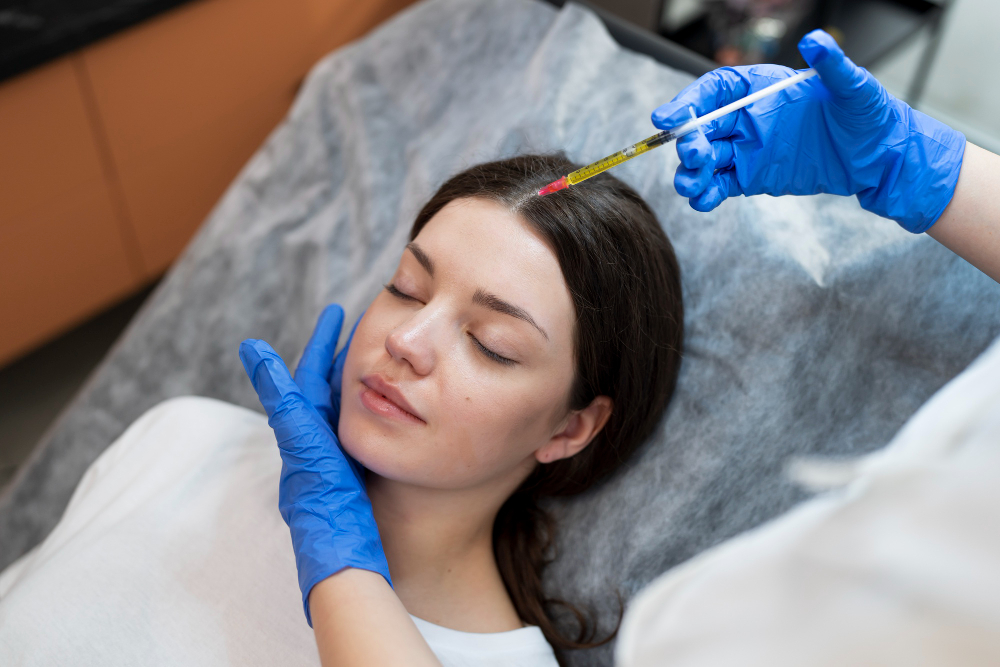
First, a small amount of your blood is drawn. Then, it is spun in a machine called a centrifuge. This process separates the platelets from other parts of your blood. After that, the platelet-rich plasma is collected. Next, the PRP is applied to your skin or injected into specific areas. Because platelets contain growth factors, they help your skin heal and renew itself. Over time, this can lead to smoother, brighter, and firmer skin. Many people notice results after a few sessions. Still, results can vary from person to person.
Key Benefits of PRP for Skin
PRP for skin offers several benefits. For example, it is a natural treatment that uses your own blood. In addition, it is non-surgical and requires little downtime. Here are some key benefits:
Because PRP is gentle, it is suitable for most skin types. However, results may take a few weeks to appear. For best results, doctors often suggest a series of treatments.
The PRP Procedure: What to Expect
Before your PRP skin treatment, your doctor will explain the process. First, your skin will be cleaned. Then, a small amount of blood is drawn from your arm. After that, the blood is placed in a centrifuge to separate the PRP. Next, the PRP is either applied to your skin or injected into target areas. Sometimes, doctors use tiny needles to help the PRP reach deeper layers. The whole process usually takes about 30 to 60 minutes. Most people feel only mild discomfort. After the treatment, your skin may look red or feel sensitive, but this usually fades within a day or two.
Safety, Risks, and Side Effects
PRP for skin is generally safe because it uses your own blood. However, like any procedure, there are some risks. For instance, you may notice redness, swelling, or mild bruising. These side effects are usually short-lived. Rarely, infection or allergic reactions can occur. To reduce risks, always choose a certified dermatologist or trained provider. According to the American Academy of Dermatology, PRP is safe for most healthy adults. Still, people with certain blood disorders or infections should avoid PRP treatments. Always discuss your health history with your doctor before starting PRP.
Who is a Good Candidate for PRP Skin Treatments?
PRP skin treatments are best for people who want to improve mild to moderate skin issues. For example, if you have fine lines, uneven skin tone, or mild scars, PRP may help. However, it may not be suitable for everyone. You may be a good candidate if:
On the other hand, people with certain medical conditions should avoid PRP. Always consult a doctor to see if PRP is right for you.
Frequently Asked Questions about PRP for Skin
Tips for Maximizing PRP Results
To get the most from your PRP skin treatment, follow these tips. First, choose a certified provider with experience in PRP. Next, follow all pre- and post-treatment instructions. In addition, avoid sun exposure and harsh skin products after your session. For example, use gentle cleansers and moisturizers. Moreover, stay hydrated and eat a healthy diet to support skin healing. Finally, attend all recommended follow-up sessions for lasting results.
Prevention and Aftercare Guidance
Proper aftercare is important for safe and effective PRP results. After your treatment, avoid touching or rubbing your face. In addition, skip makeup and heavy creams for at least 24 hours. If your skin feels sore, use a cool compress to ease discomfort. Furthermore, avoid direct sunlight and always wear sunscreen. Do not use harsh exfoliants or scrubs until your skin heals. If you notice any unusual symptoms, contact your doctor right away. Following these steps can help prevent problems and support healthy skin recovery.
In summary, Platelet-Rich Plasma PRP for skin is a safe and natural way to refresh your skin. However, it is important to consult a certified dermatologist Dr. Pooja tatapudi to see if PRP for skin is right for you.