
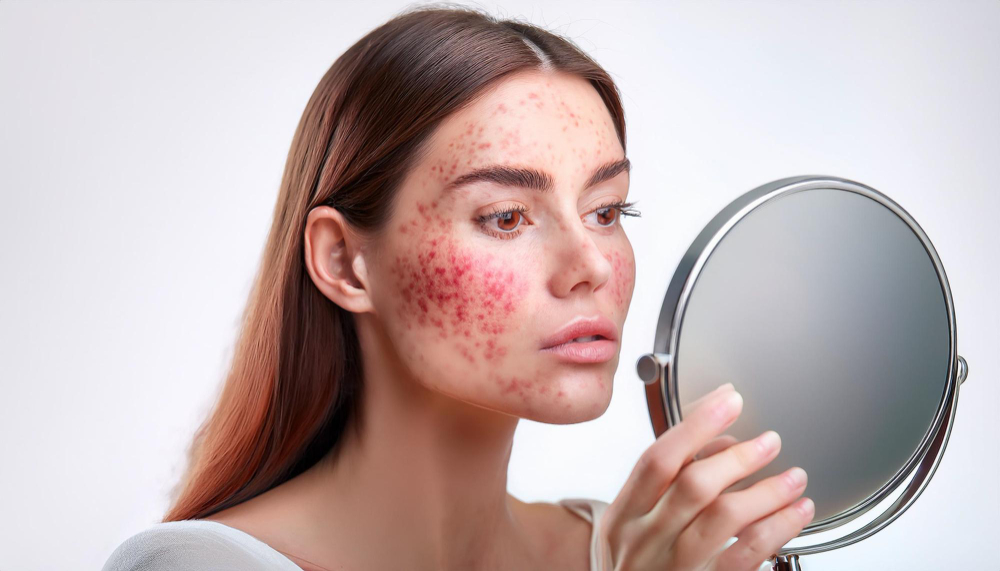
What Is Persistent Acne?
Persistent acne is acne that does not clear up, even after months of home care. Sometimes, it is called chronic acne. While most people get pimples from time to time, some notice that their acne just won’t go away. In these cases, you may wonder when to see a dermatologist for acne. Persistent acne can affect your confidence and skin health. For many, finding the right chronic acne treatment is important. If you have acne that won’t go away, you are not alone. Many people face this problem, especially teens and young adults.
Common Symptoms of Persistent Acne
Persistent acne can look different for everyone. However, some signs are common. For example, you may notice:
Sometimes, the skin feels sore or itchy. In addition, you might see new breakouts even while using over-the-counter products.
Causes and Risk Factors
There are many reasons why acne can become persistent. For instance, hormones often play a big role. During puberty, pregnancy, or stress, hormone levels can change. This can lead to more oil production and clogged pores. Other causes include:
Additionally, some people have skin that is more sensitive to bacteria or inflammation. As a result, their acne may last longer.
When Should You See a Dermatologist?
It is normal to try home remedies first. However, you should see a dermatologist if:
Moreover, if you live in a city with high pollution, like New York or Los Angeles, your skin may need extra care. Early treatment can prevent lasting skin damage.
Diagnosis and Evaluation
When you visit a dermatologist, they will look at your skin closely. First, they may ask about your health, family history, and skin care routine. Sometimes, they will check for other health problems that can cause acne. In rare cases, blood tests or hormone checks may be needed. This helps the doctor find the best treatment for you. According to the American Academy of Dermatology, a careful exam is key for chronic acne treatment.
Treatment Options for Persistent Acne
There are many ways to treat persistent acne. Your dermatologist may suggest:
Each person’s skin is different. Therefore, your doctor will create a plan that fits your needs. It may take several weeks to see results. But with the right care, most people notice clearer skin over time.
Lifestyle Tips and Prevention
Along with medical treatment, simple changes can help manage acne. For example:
Additionally, always remove makeup before bed. These steps can prevent new breakouts and support healthy skin.
Frequently Asked Questions
In summary, persistent acne can be frustrating, but help is available. Consult a dermatologist Dr. Pooja tatapudi for personalized acne care and treatment options.