Introduction to Chemical Peel for Skin Rejuvenation
A chemical peel for skin rejuvenation is a popular treatment to improve skin appearance. It uses a special solution to remove the top layers of skin. As a result, new skin grows back smoother and brighter. Many people choose this treatment to reduce fine lines, sun damage, and uneven skin tone. If you want fresher, younger-looking skin, a chemical peel may help. However, it is important to understand the process, benefits, and risks before deciding.
Types of Chemical Peels
There are three main types of chemical peels. Each type works at a different depth and is chosen based on your skin needs.
Benefits of Chemical Peels for Skin Rejuvenation
Chemical peels offer many benefits for skin rejuvenation. For example, they can:
Because of these benefits, many people choose chemical peels to boost their confidence and appearance.
Chemical Peel Procedure: What to Expect
Before the Procedure
First, your dermatologist will check your skin and discuss your goals. Sometimes, you may need to stop certain skin products before the peel. You should also avoid sun exposure before treatment.
During the Procedure
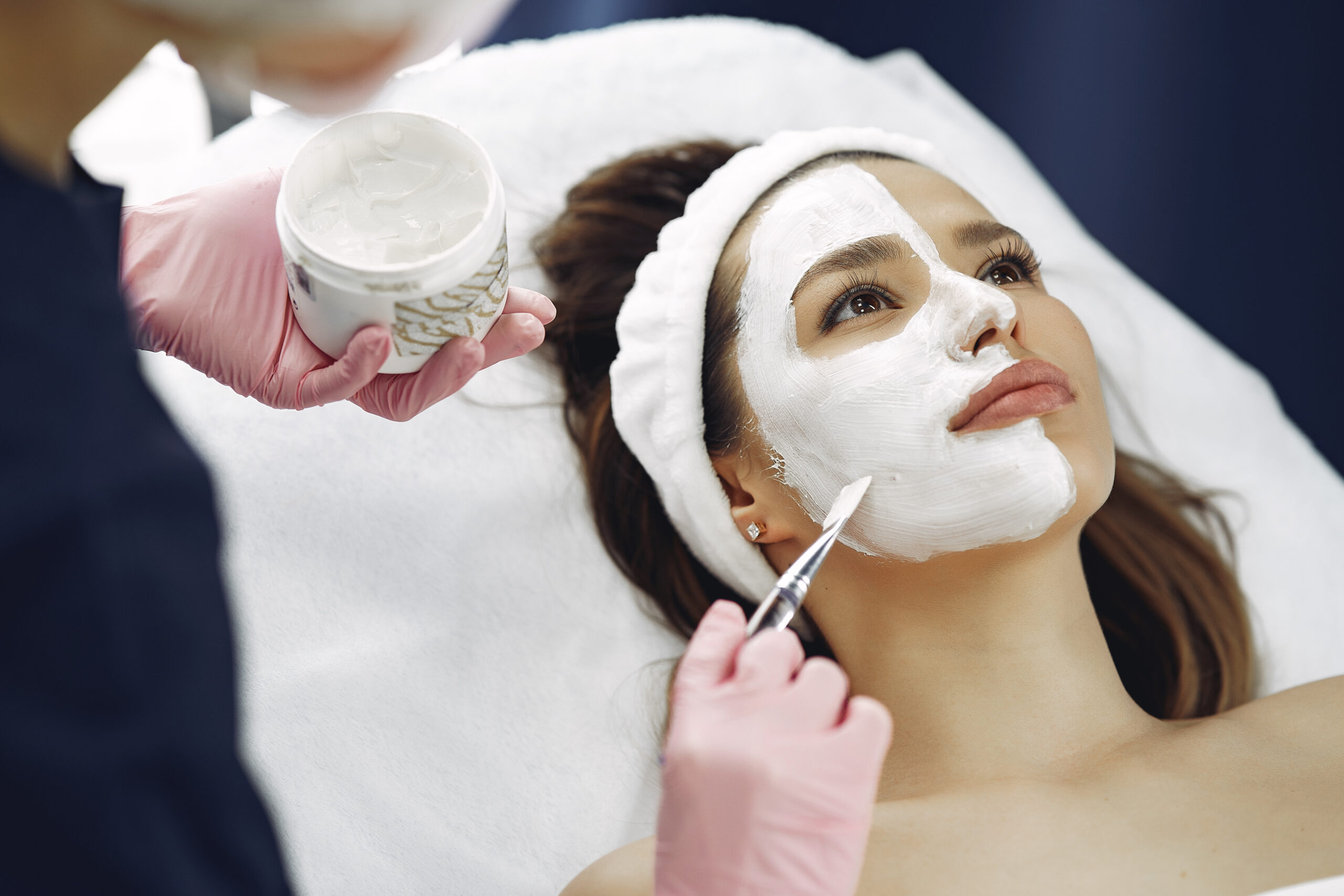
Next, your skin will be cleaned. Then, the chemical solution is applied to your face. You may feel a mild stinging or tingling. The solution stays on for a set time, depending on the peel type. After that, it is removed or neutralized.
After the Procedure
After the peel, your skin may look red and feel tight. Peeling or flaking may start in a few days. Healing time depends on the peel’s depth. Superficial peels heal in a few days, while deeper peels may take weeks.
Potential Risks and Side Effects
Although chemical peels are safe when done by experts, there are some risks. For instance, you may experience:
Because of these risks, it is important to follow your dermatologist’s advice closely.
Aftercare and Recovery Tips
Proper aftercare helps your skin heal and lowers the risk of problems. Here are some tips:
With good care, your skin will recover faster and look its best.
Who Is a Good Candidate for Chemical Peels?
Not everyone is a good candidate for a chemical peel for skin rejuvenation. You may be a good fit if you:
However, people with darker skin, certain skin conditions, or a history of scarring should talk to a dermatologist first. Sometimes, other treatments may be better.
Prevention of Complications and Safety Tips
To prevent problems, always choose a board-certified dermatologist or trained provider. In addition, tell your doctor about any health issues or medicines you take. Avoid sun exposure before and after the peel. If you notice signs of infection, such as pus or severe redness, contact your doctor right away. By following these steps, you can enjoy the benefits of chemical peels safely.
Frequently Asked Questions (FAQs)
Conclusion
Chemical peels for skin rejuvenation can help you achieve smoother, brighter skin. However, it is important to understand the benefits, risks, and aftercare. Consult a board-certified dermatologist Dr. Pooja tatapudi for personalized advice on chemical peels for skin rejuvenation.