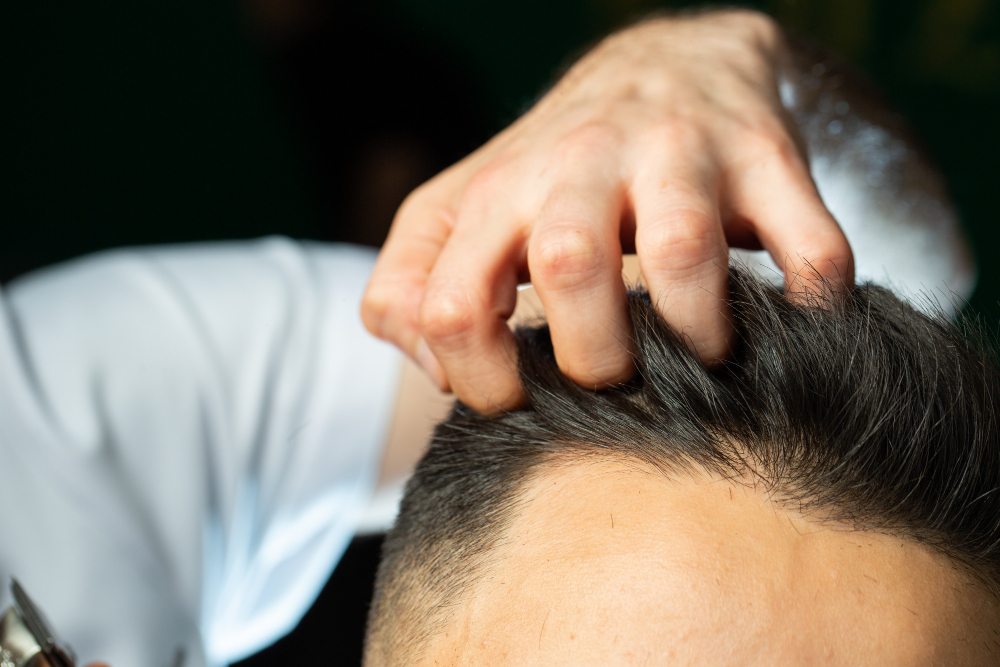
Hair thinning can affect your confidence. Many people look for new hair thinning solutions. One option is scalp threads for hair thinning. This non-surgical hair restoration method is gaining popularity. It uses a thread lift for the scalp to help improve hair density. In this blog, you will learn what scalp threads are, how they work, and if they might be right for you.
What Are Scalp Threads?
Scalp threads are thin, medical-grade threads placed under the scalp skin. Doctors use them to help with hair thinning. The threads are usually made from safe materials that dissolve over time. Once placed, they stimulate the scalp. This can boost blood flow and help hair follicles grow stronger. As a result, some people notice thicker and healthier hair. Unlike surgery, this method is less invasive and does not require long recovery.
Who Can Benefit from Scalp Threads?
Not everyone is a good fit for scalp threads. However, many people with mild to moderate hair thinning may benefit. Ideal candidates include:
On the other hand, people with severe hair loss or certain scalp conditions may not be suitable. Always talk to a dermatologist before deciding.
How Is the Procedure Performed?
The scalp thread procedure is simple and quick. Here are the usual steps:
Most sessions take less than an hour. In many cases, you can return to normal activities soon after.
Benefits and Effectiveness
Scalp threads offer several benefits for hair thinning. For example, they are less invasive than surgery. Here are some key advantages:
Compared to other hair thinning treatments, scalp threads do not require cuts or stitches. However, results can vary. Some people see better results when combining scalp threads with other treatments, like topical solutions or medications.
Risks and Side Effects
Like any medical procedure, scalp threads have some risks. Most side effects are mild and temporary. Common issues include:
Rarely, there may be infection or allergic reaction. Therefore, it is important to choose a trained doctor. Always follow aftercare instructions to lower your risk.
Aftercare and Recovery
Proper aftercare helps you heal faster. Here are some tips for recovery:
Most people recover quickly. If you notice unusual pain or swelling, contact your doctor right away.
Prevention and Lifestyle Tips
Even after scalp threads, you should care for your hair and scalp. Here are some simple tips:
Additionally, regular scalp massages can help improve blood flow. Healthy habits support better hair growth over time.
Frequently Asked Questions
Sources and References
Consult a dermatologist Dr. Pooja tatapudi for personalized advice on scalp threads for hair thinning.