
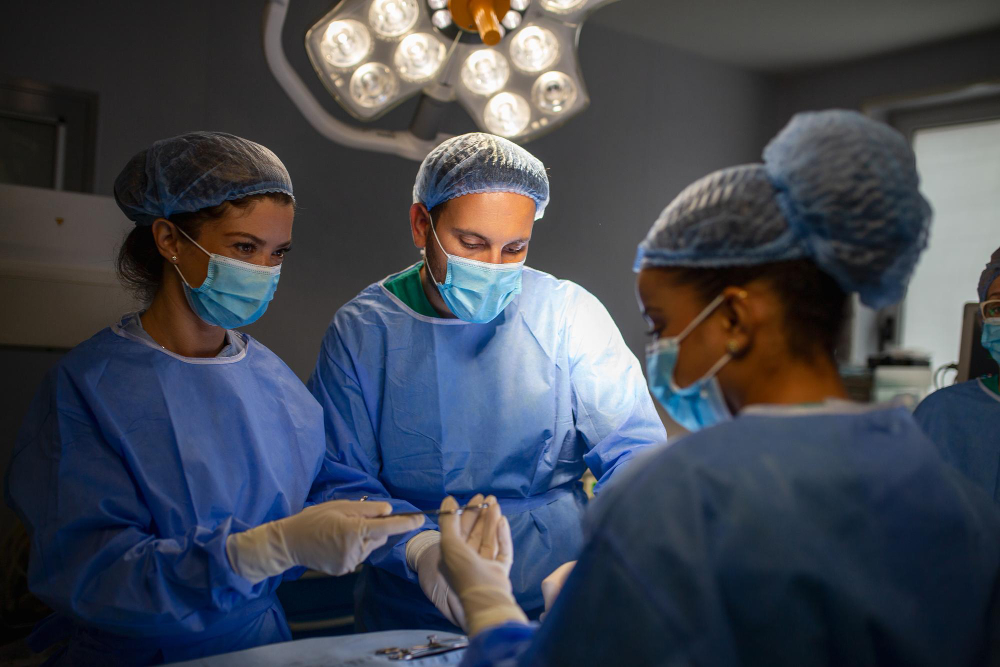
What is Skin Grafting?
Skin grafting is a medical procedure that helps repair or replace damaged skin. Doctors often use it when a person loses skin due to burns, injuries, or surgery. In this process, healthy skin is taken from one part of the body and placed on the area that needs healing. Because skin grafting can help wounds heal faster, it is a common treatment in many hospitals.
Common Reasons for Skin Grafting
Doctors may suggest skin grafting for several reasons. For example, it can help when:
Sometimes, skin grafting is also used after cosmetic or reconstructive surgery. In any case, your doctor will explain if you need this treatment.
Types of Skin Grafts
There are two main types of skin grafts. Each type has its own use and benefits:
Sometimes, doctors may use skin from another person or a special lab-made material. However, most often, your own skin is used for the best results.
The Skin Grafting Procedure (Step-by-Step)
Understanding the skin grafting procedure can help you feel more prepared. Here is what usually happens:
Because the procedure is done with anesthesia, you will not feel pain during surgery. However, you may feel sore afterward.
Recovery and Aftercare Tips
After skin grafting, proper care is important for healing. Here are some helpful tips:
In addition, eating healthy foods and staying hydrated can help your skin heal faster. If you notice any problems, contact your doctor right away.
Possible Risks and Complications
Like any surgery, skin grafting has some risks. However, most people recover well. Possible complications include:
Although these problems are rare, it is important to follow your doctor’s advice to lower your risk. If you have concerns, ask your healthcare team for more information.
Prevention and Lifestyle Guidance
While not all skin injuries can be prevented, you can take steps to protect your skin. For example:
Additionally, if you have a health condition that affects healing, such as diabetes, follow your doctor’s care plan closely. This can help prevent wounds that may need skin grafting.
When to Consult a Dermatologist
If you have a wound that is not healing or notice skin loss, see a dermatologist. Early treatment can prevent problems and improve healing. Also, if you are considering skin grafting, a dermatologist can explain your options and answer your questions. Do not wait if you see signs of infection, such as fever, redness, or pus.
For personalized advice on skin grafting, consult a dermatologist at Sri Atharv Skin Clinic. They can guide you through every step and help you achieve the best results.