
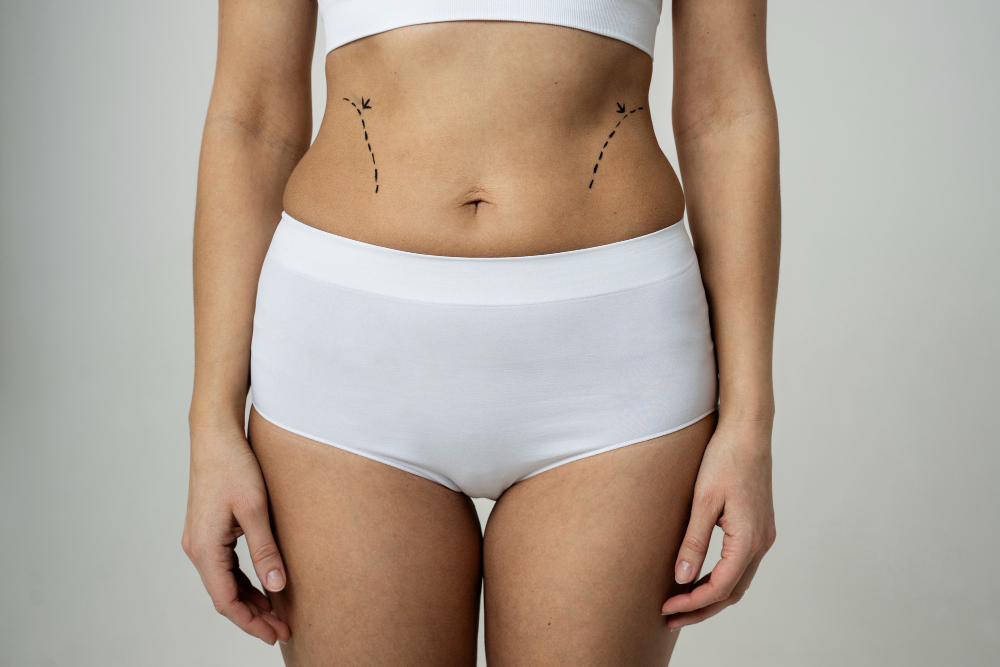
Introduction to Tummy Tuck (Abdominoplasty)
A tummy tuck, also called abdominoplasty, is a surgery that removes extra skin and fat from the belly. Many people choose a tummy tuck to get a flatter, firmer stomach. This procedure can also tighten weak or stretched muscles. Because of this, tummy tuck surgery is popular among those who want to improve their body shape. According to the American Society of Plastic Surgeons, tummy tucks are among the most common cosmetic surgeries.
Common Reasons People Consider a Tummy Tuck
People think about tummy tuck surgery for many reasons. Often, it is because diet and exercise alone do not give the desired results. Some common reasons include:
For many, a tummy tuck can boost confidence and help clothes fit better. However, it is not a weight loss surgery.
Who Is a Good Candidate for a Tummy Tuck?
Not everyone is a good fit for abdominoplasty. Still, you may be a good candidate if you:
On the other hand, if you plan to lose a lot of weight or become pregnant, you may want to wait. Always talk to a board-certified plastic surgeon before deciding.
Step-by-Step Explanation of the Tummy Tuck Procedure
Understanding the tummy tuck process can help you feel more prepared. Here is a simple step-by-step overview:
The surgery usually takes two to three hours. Sometimes, it may take longer if combined with other procedures.
Expected Benefits and Results
After a tummy tuck, many people notice a flatter and firmer stomach. In addition, you may see:
Although results are long-lasting, keeping a stable weight helps maintain them. Remember, a tummy tuck does not stop future weight gain or aging.
Potential Risks and Complications
Like any surgery, tummy tuck procedures have risks. However, most people recover well. Possible risks include:
To lower your risk, always follow your surgeon’s advice. The CDC and WHO recommend choosing a qualified, experienced surgeon for any procedure.
Recovery Timeline and Aftercare Tips
Recovery from a tummy tuck takes time. Still, most people can return to light activities within two weeks. Here is what you can expect:
Always follow your doctor’s aftercare instructions. For example, wear support garments and keep the area clean. This helps speed up healing and lowers the risk of problems.
Lifestyle Guidance for Maintaining Results
After abdominoplasty recovery, healthy habits are key. To keep your tummy tuck results, try these tips:
Because weight changes can affect your results, regular check-ups with your doctor are helpful.
Prevention of Complications
There are steps you can take to prevent problems after tummy tuck surgery. For example:
With good care, most people heal well and enjoy their results.
Frequently Asked Questions About Tummy Tuck
Conclusion
A tummy tuck can help you achieve a flatter, firmer belly, but it’s important to understand the benefits, risks, and recovery process. For the best results, always choose a qualified surgeon and follow their advice.
Consult a board-certified plastic surgeon at Sri Atharv Skin Clinic for personalized advice on tummy tuck procedures.
Take the first step toward your desired look—schedule your consultation today..