
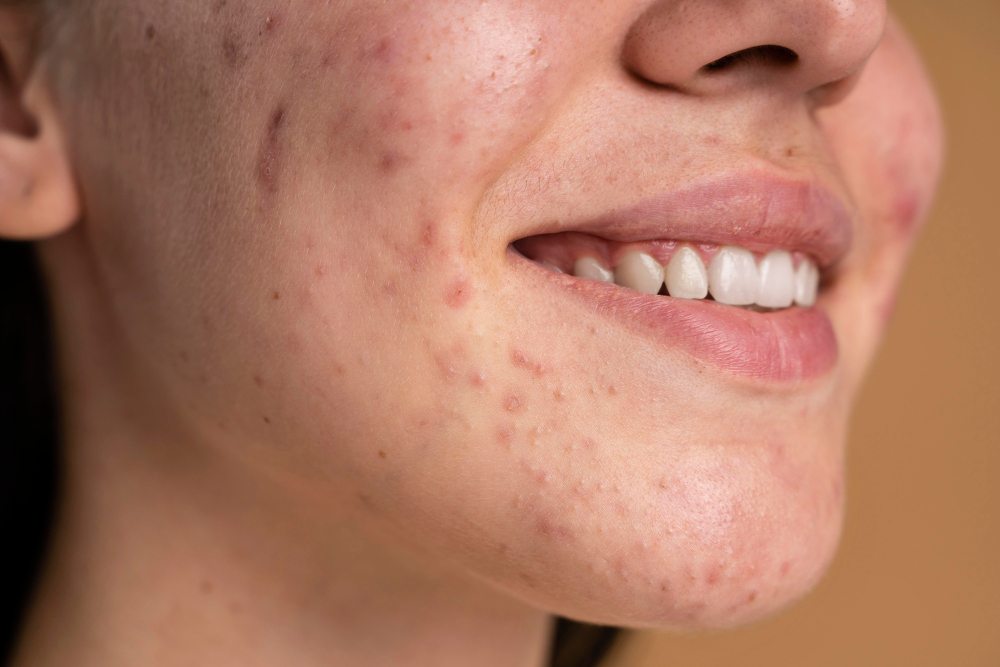
What Are Acne Scars?
Acne scars are marks left on the skin after pimples heal. These scars can look like pits, raised bumps, or dark spots. For many people, acne scars affect self-confidence. In fact, the causes of acne scars are often linked to how the skin heals after breakouts. While acne itself is common, not everyone develops scars. However, understanding why acne scars develop can help you know your skin better.
How Do Acne Scars Form?
When acne causes swelling and redness, the skin tries to repair itself. Sometimes, this healing process does not go smoothly. As a result, scars may form. For example, if the skin loses tissue, you may see small pits. On the other hand, if too much tissue grows, raised scars can appear. According to dermatology insights on acne scars, the way your skin heals plays a big role. But, not all acne leads to scarring.
Main Causes of Acne Scars
Several things can cause acne scars. Below are the main reasons:
Each of these causes can affect how your skin repairs itself. Therefore, knowing these reasons helps you understand why acne scars develop.
Factors That Increase the Risk of Acne Scarring
Some people are more likely to get acne scars than others. Here are key risk factors for acne scars:
Additionally, picking at pimples or using harsh skin products can raise your risk. For this reason, it is important to care for your skin gently. Dermatology insights on acne scars show that early care and gentle habits help lower the risk.
In summary, acne scars form when the skin heals after deep or inflamed pimples. Many causes and risk factors play a role. If you are worried about scars, consult a dermatologist at Sri Atharv Skin Clinic for personalized advice on acne scars.